
IVF Treatment Subsidy Scheme 2026
🧐 Guide to State Grants and Charities
IVF treatment in the U.S. can be costly, but government-supported subsidies and nonprofit grants may help reduce the financial burden.
If you’re considering IVF in 2026, this guide outlines available funding options, eligibility basics, and how support programs work, so you can explore assistance before paying the full cost yourself.
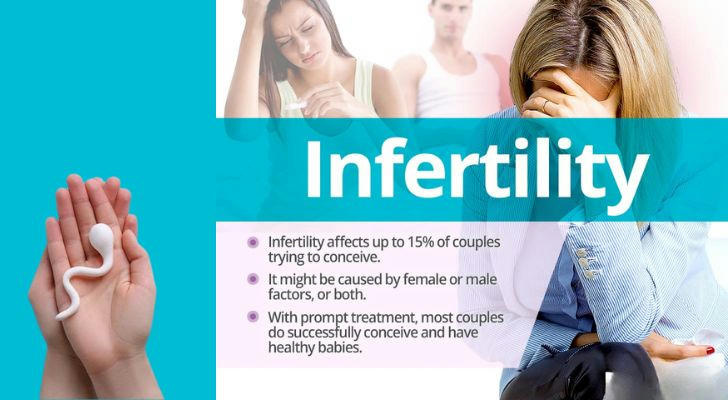
👶 Why Choose Government-Supported IVF?
These programs are designed to make IVF treatment more affordable and accessible by connecting patients with accredited fertility clinics and providing financial assistance through state, federal, or nonprofit sources. No previous IVF experience is required.
Key Benefits:
1️⃣ Cost Coverage: Helps fund IVF cycles, including medications and procedures
2️⃣ Accessible Care: Open to many people with financial need or specific eligibility
3️⃣ Trusted Providers: Works with reputable fertility centers
4️⃣ Support Services: Offers counseling and guidance through the process
5️⃣ Community Support: Reduces barriers to family formation
💰 Financial Support
Different types of financial support are available, including grants, subsidies, and reimbursements for IVF treatment:
| Program Type | Support Level | Eligibility |
|---|---|---|
| State Grants | Subsidized reimbursement or coverage | Residency and program requirements |
| Federal Subsidies | Varies by health plan | Medical diagnosis, plan enrollment |
| Nonprofit Grants | Grant awards up to set amounts | Financial need and medical criteria |
🩺 State-Funded IVF Grants
🔹 Infertility Reimbursement Program — New York State
New York State offers the Infertility Reimbursement Program (IRP) to assist residents whose health insurance does not fully cover IVF or related infertility treatments. Funding is provided through approved clinical providers that meet specific performance standards.
Eligibility Conditions:
- Must be a resident of New York State.
- Hold health insurance that does not already cover all treatment costs.
- Provide a medical diagnosis of infertility.
- Meet income thresholds if applicable.
State programs like this are subject to funding availability and may be extended or updated.
🏛️ Federal Subsidies & Insurance Coverage
🔹 Federal Employees Health Benefits (FEHB) & Postal Service Health Benefits (PSHB)
For the 2025 plan year, extended fertility coverage including IVF and related services is offered in many FEHB and PSHB health plans.
Plan Features:
- Most FEHB/PSHB plans include coverage for IVF medications (often up to three cycles).
- Many plans also cover IVF procedures, laboratory services, and related clinical support with required pre-approval.
- Coverage specifics vary by plan option and geographic area.
Federal health benefits apply to participants enrolled in qualifying plans during the annual open enrollment period.
🤝 Nonprofit Partnership Grants
🌟 BabyQuest Foundation IVF Grants
The BabyQuest Foundation provides financial grants to help individuals and couples afford IVF and other assisted reproductive treatments, such as egg donation, embryo donation, or gestational surrogacy.
Grant Eligibility Basics:
- Must be a permanent U.S. resident.
- Be under the care of an accredited fertility clinic.
- Provide a fertility specialist’s recommendation.
- Demonstrate financial need and readiness for treatment.
Application Timeline:
- Grant cycles typically begin in early January, and deadlines such as March 12, 2026 are common for a given cycle.
- Applications require supporting medical and financial documents.
Nonprofit grants may be combined with other funding sources and help reduce out-of-pocket costs.
📚 Who Can Apply?
Eligibility for IVF financial support varies. General criteria may include:
- Young Adults (18–30): Must present a medical diagnosis of infertility; some state programs consider income limits.
- Adults (30–40): Require a documented infertility diagnosis and may need to meet state residency or insurance criteria.
- Adults 41+: Programs may have additional medical standards but remain open to support later-life family planning.
Note: Some programs are only available to specific groups or plan participants, such as federal employees or residents of a particular state.
⏰ Application Process
The process for seeking financial assistance typically includes several steps:
- Consult with a Fertility Specialist: Obtain a medical evaluatd nonprofit resources.
- Prepare Required Documentation: Collect medical records and financial information as requested.
- Submit Application: Follow program-specific submission procedures and deadlines.
- Begin Treatment: Upon approval, begin IVF treatment with assistance from the support program.
Timing can vary depending on the program requirements and application cycle.
❓ Common Questions
Q1: Who qualifies for IVF support?
A1: Eligibility differs by program — commonly based on medical infertility diagnosis, financial need, state residency, and plan enrollment.
Q2: How long does the application take?
A2: Application timelines vary; some can be completed in a few weeks, while others may take several months depending on review and documentation.
Q3: Does financial support guarantee treatment success?
A3: Financial assistance makes IVF treatment more affordable, but clinical success depends on individual medical factors.
➡️ Summary of Support Options
State-Funded IVF Grants: Help cover costs for eligible residents.
Federal Health Plan Subsidies: IVF procedures and medications for qualified plan members.
Nonprofit Grants: Financial aid for treatment expenses based on need.
By combining available state, federal, and nonprofit resources, individuals and couples in the U.S. can reduce financial barriers to IVF treatment in 2026.
Through organizations like RESOLVE and national IVF grant programs, more families are finding pathways to parenthood than ever before. 🌟