
Government-Funded Home Improvements: Window Replacement
Government-Funded Home Improvements | Lower Energy Bills | Improve Comfort
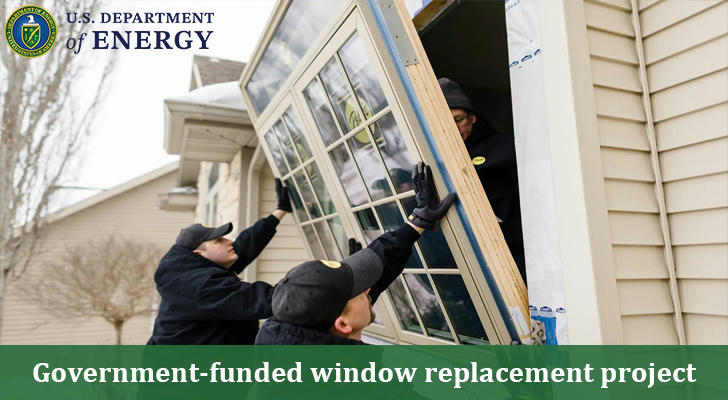
If your home is older or struggling with high energy bills, the Weatherization Assistance Program (WAP), funded by the U.S. Department of Energy (DOE), can help eligible households reduce energy costs and improve home efficiency. This includes replacing old windows with energy-efficient models to enhance comfort and lower heating and cooling expenses.
In addition to WAP, the DOE also supports energy-efficient home upgrades through tax credits and rebates, helping homeowners offset costs for new windows, heating and cooling systems, insulation, and appliances.
🌟 Why Window Replacement Matters
Older windows often allow heat to escape in winter and make cooling more expensive in summer. Installing energy-efficient windows through WAP or other DOE-supported programs can:
✔ Lower energy bills – Households can save hundreds of dollars annually on heating and cooling costs.
✔ Improve home comfort – Reduce drafts and maintain a more consistent indoor temperature.
✔ Increase home energy efficiency – Help lower overall energy consumption.
✔ Government-funded upgrades – Eligible households can receive government-funded window replacements and other energy-saving retrofit services.
👥 Who Qualifies for Assistance?
WAP focuses on low-income households, including:
✔ Families with income at or below 200% of the federal poverty level.
✔ Seniors, individuals with disabilities, and families with young children.
✔ Homeowners and renters (with landlord approval).
Other DOE-supported programs, like energy tax credits and state/local rebates, may also be available to homeowners upgrading to energy-efficient windows or appliances, regardless of income.
What’s Included in the Weatherization Assistance Program and Home Upgrades
The U.S. Department of Energy’s Weatherization Assistance Program (WAP) uses a “whole-house weatherization” approach. The home is evaluated through an energy audit that analyzes all major building systems.
Weatherization measures may include the following categories:
1️⃣ Building Shell Measures
Improvements to the structure of the home may include:
- Insulating walls, floors, ceilings, attics, and foundations
- Performing air sealing
- Repairing or replacing primary windows and doors
2️⃣ Heating and Cooling System Measures
Upgrades may include:
- Repairing or tuning heating systems
- Repairing or tuning cooling systems
3️⃣ Electric Baseload Measures
Where identified through the energy audit, measures may include:
- Installing energy-efficient lighting
- Replacing refrigerators and freezers with energy-efficient models
4️⃣ Health and Safety Measures
Health and safety improvements may be addressed as part of the weatherization process.
All measures are determined based on the results of a professional energy audit and the condition of the home. The program evaluates the entire building system to identify cost-effective energy efficiency improvements.
👶 Recommended Age Categories for Applicants
| Age Range | Description | Suitable Participant Profile |
|---|---|---|
| 18–35 years | Younger homeowners or first-time buyers | Individuals or families looking to reduce energy costs and make long-term investments in their first home |
| 36–55 years | Mid-career homeowners | Homeowners balancing family or work obligations seeking cost savings and comfort improvements |
| 56 years and above | Seniors and retirees | Older homeowners or empty-nesters aiming to improve home energy efficiency, reduce bills, and enhance comfort for retirement |
📝 How to Apply
Visit the DOE Weatherization Assistance Program website:
Locate your state’s local weatherization provider.
Submit an application with proof of income and residency.
Schedule a home energy audit to determine eligible improvements.
If approved, a certified contractor will install energy-efficient windows and perform other upgrades.
For DOE Home Upgrade tax credits and rebates:
Check the list of eligible upgrades
Claim federal tax credits using IRS Form 5695 when filing taxes.
Check your state, territory, or tribal rebate programs via the Home Energy Rebates Portal.
💰 Additional Support
In addition to WAP, eligible households may explore:
✔ Low-Income Home Energy Assistance Program (LIHEAP) – Helps cover heating and cooling costs.
✔ State and local energy programs – Provide supplemental funding for efficiency improvements.
✔ Utility rebates – Some energy providers offer rebates for window replacements and appliances.
🚀 Take Action
The Weatherization Assistance Program and DOE Home Upgrade initiatives help eligible households make energy-efficient upgrades, including windows, insulation, heating and cooling systems, and appliances. These programs can save money, improve comfort, and reduce energy use. Contact your local WAP agency or check DOE’s Home Upgrades portal to see if you qualify for these government-funded improvements.