
Chronic Kidney Disease Solutions in the United States
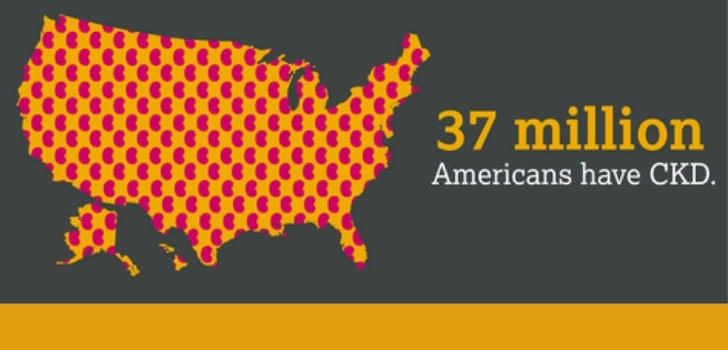
Chronic Kidney Disease (CKD) affects millions of people across the United States and occurs when the kidneys gradually lose their ability to filter waste and excess fluids from the body.
Although CKD is usually a long-term condition, early detection and proper management can slow progression and help individuals maintain a better quality of life. In the U.S., comprehensive CKD solutions often combine medical treatment, nutrition therapy, lifestyle support, dialysis, and, in some cases, kidney transplantation.
What Is Chronic Kidney Disease?
CKD develops over time and is commonly linked to diabetes, high blood pressure, autoimmune disorders, or genetic conditions.
Common symptoms may include:
- Fatigue
- Swelling in legs, ankles, or face
- Changes in urination
- Nausea or reduced appetite
- Trouble concentrating
Diagnosis typically involves blood tests, urine tests, and imaging studies.
Medical Management of CKD
Treatment focuses on slowing kidney damage and managing complications.
Physicians may recommend:
- Blood pressure control
- Blood sugar management
- Treatment for anemia and mineral imbalance
- Regular monitoring by a nephrologist
Early-stage CKD is often managed without dialysis through medication, nutrition, and lifestyle changes.
Dialysis Treatment Options
When kidney function becomes severely reduced, dialysis may be necessary to perform essential filtration tasks.
Hemodialysis (HD)
- Usually performed in a dialysis center
- About three sessions per week
- Blood is filtered through a dialysis machine
Peritoneal Dialysis (PD)
- Can often be done at home after training
- Uses the abdominal lining to filter blood
- Offers more flexibility for some patients
Dialysis does not cure CKD but helps sustain life when kidneys can no longer function adequately.
Kidney Transplant as a Long-Term Solution
A kidney transplant replaces failed kidney function with a healthy donor kidney.
In the U.S., eligibility depends on:
- Overall health status
- Absence of uncontrolled infection or cancer
- Ability to take lifelong anti-rejection medications
Potential benefits include:
- Improved quality of life
- Freedom from routine dialysis
- Better long-term survival for many patients
After transplantation, lifelong immunosuppressive therapy is required.
Common Medication Categories and Typical U.S. Price Ranges
Doctors select medications based on disease stage and individual needs.
| Medication Category | Examples (Generic) | Primary Purpose | Typical U.S. Monthly Price Range* |
|---|---|---|---|
| Blood Pressure Medications | Lisinopril, Losartan | Protect kidney function, control hypertension | $4 – $30 |
| Diabetes Medications | Metformin, Insulin | Control blood sugar levels | Metformin: $4 – $20 Insulin: $35 – $100+ |
| Phosphate Binders | Sevelamer, Calcium Acetate | Control blood phosphorus levels | $40 – $150 |
| Anemia Treatments | Epoetin alfa, Iron supplements | Treat low red blood cell levels | $50 – $300 |
| Vitamin D & Mineral Supplements | Calcitriol, Cholecalciferol | Support bone & mineral balance | $10 – $40 |
Nutrition-Based CKD Solutions
Kidney-friendly nutrition is a core part of treatment.
Benefits of renal nutrition support:
- Helps control potassium, phosphorus, and sodium
- Supports adequate calorie intake
- Helps maintain strength and energy
Specialized renal formulas and supplements may be used under medical supervision, especially when appetite is poor.
Lifestyle Support
- Follow a kidney-friendly diet
- Stay physically active as advised
- Avoid smoking and limit alcohol
- Maintain healthy body weight
- Manage stress and sleep
CKD Care by Age Group
| Age Group | Primary Focus | Recommended Care Approach |
|---|---|---|
| Children | Growth & development | Early specialist care, growth monitoring, pediatric renal nutrition, family education |
| Adults (18–64) | Slow disease progression | Control blood pressure & diabetes, kidney-friendly diet, regular lab tests |
| Seniors (65+) | Symptom management & safety | Medication review, nutrition support, mobility & fall prevention, discuss dialysis or conservative care options |
Insurance and Medicare Coverage in the U.S.
Many CKD-related services are covered by insurance or Medicare.
Medicare typically covers:
- Dialysis treatments
- Dialysis training for home dialysis
- Kidney transplant surgery
- Hospital stay for transplant
- Immunosuppressive drugs after transplant (with eligibility)
Medicaid and private insurance may also provide coverage depending on state and plan.
Patients are encouraged to check benefits with their insurance provider.
Frequently Asked Questions (FAQ)
Is CKD curable?
CKD is usually not curable, but progression can often be slowed.
Do all CKD patients need dialysis?
No. Many people manage CKD for years without dialysis.
Can diet really help?
Yes. Nutrition plays a major role in kidney health.
Is kidney transplant permanent?
Transplants can last many years but require lifelong medication and follow-up.
Risk Notice
All treatments involve potential risks and side effects. Results vary by individual.
Medical Disclaimer
This content is for informational purposes only and does not replace professional medical advice. Always consult a qualified healthcare provider for diagnosis and treatment.